'Cortisol Face' Isn't What TikTok Thinks It Is. Here's What Actually Moves Cortisol.
TL;DR
- "Cortisol face" is a viral wellness label that borrows the "moon face" image from Cushing's syndrome, a rare endocrine condition of pathological cortisol excess (Nieman 2008, J Clin Endocrinol Metab). Everyday stress in healthy adults does not produce moon face.
- Everyday chronic stress does produce something else: a flattened diurnal cortisol slope (Adam 2017, Psychoneuroendocrinology meta-analysis), elevated evening cortisol after sleep loss (Leproult 1997, Sleep), and chronic low-grade inflammation with higher CRP and IL-6 (Rohleder 2019, Curr Opin Psychol).
- The "cortisol cocktail" (orange juice, coconut water, salt, lemon) is a well-balanced electrolyte drink with vitamin C. It has no controlled trial data as a cortisol-lowering intervention.
- What has real evidence for cortisol regulation: sleep, morning outdoor light, slow diaphragmatic breathing, aerobic training, stable meals with protein and fiber, and social connection.
- Curcumin (from Curcuma longa) has meta-analytic evidence for lowering CRP (Panahi 2016) and IL-6 (Sahebkar 2015) and small-trial evidence for reduced anxiety (Esmaily 2015) and depressive symptoms (Yu 2015). It is an anti-inflammatory adjunct, not a direct cortisol-lowering agent.
- See a physician if your symptoms are severe, sudden, or paired with purple stretch marks, unexplained central weight gain, hypertension at a young age, or menstrual changes.
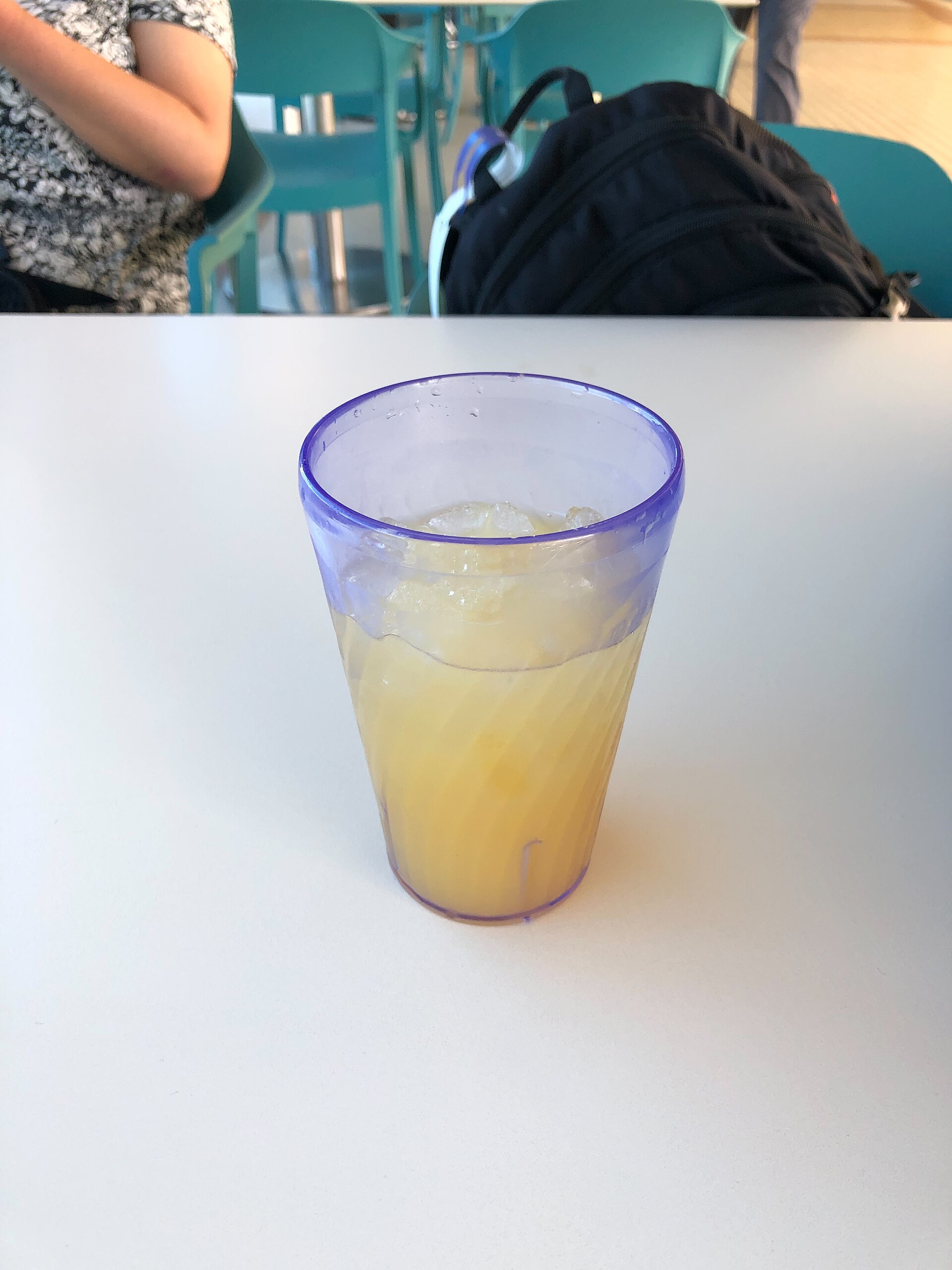
The mocktail sits on the kitchen counter, ice halfway melted. Orange juice, coconut water, a pinch of sea salt, a splash of lemon. Two million people watched a woman make one last week. She said her cortisol face was gone in a month.
It is Wednesday, 11:07 PM, and you have just gotten out of the shower. Your cheeks look puffier than you remembered. Something about the shape of your jawline in the bathroom light makes you type "why is my face so puffy in the morning cortisol" into Google, then scroll past six ads for face rollers, then land on TikTok, where a very calm woman with clear skin explains that your face is holding stress. The way she says it, it sounds like she knows something you do not.
Here is what almost every "cortisol face" video on your feed is getting wrong. The puffy, rounded face people are pointing to as evidence of everyday high cortisol is a clinical feature of Cushing's syndrome, an endocrine disease caused by long-term pathological cortisol excess, not the ordinary chronic stress of a bad month. Cushing's is rare. Not what is happening to you.
Something else is going on with your body when you feel that puffy, foggy, wired-at-night, tired-at-morning pattern. I have read the studies. The mocktail is not the reason it will get better, and I want to explain why plainly. This piece will lay out what "cortisol face" actually is in the clinical world, what everyday chronic stress does to a healthy body, whether the cortisol cocktail measurably lowers cortisol, and what the research points to for real. In the last section, I will say where a well-formulated curcumin supplement fits into that picture, and, more importantly, where it does not.
What "Cortisol Face" Actually Is
The trend is borrowing from a real medical picture, then applying it to something else. That is the whole problem.
Cushing's syndrome is a condition of chronic, pathological cortisol excess. In classic Cushing's, cortisol is elevated for months or years, usually from a pituitary or adrenal tumor or from long-term high-dose corticosteroid medication. Nieman et al. (2008, J Clin Endocrinol Metab) laid out the diagnostic workup: 24-hour urinary free cortisol at least three times the upper reference limit, late-night salivary cortisol above roughly 145 ng/dL, or a failed low-dose dexamethasone suppression test. Big numbers. Not the kind you get from a busy work quarter.
The clinical picture of Cushing's includes a rounded, plethoric face (the "moon face" TikTok has borrowed), a fatty pad between the shoulder blades, central weight gain with thin arms and legs, purple abdominal striae, easy bruising, and hypertension. The estimated incidence of endogenous Cushing's is roughly 1.2 to 2.4 per million per year in the Danish population registry (Lindholm et al., 2001, J Clin Endocrinol Metab, n=139 cases over 15 years). Genuinely rare.
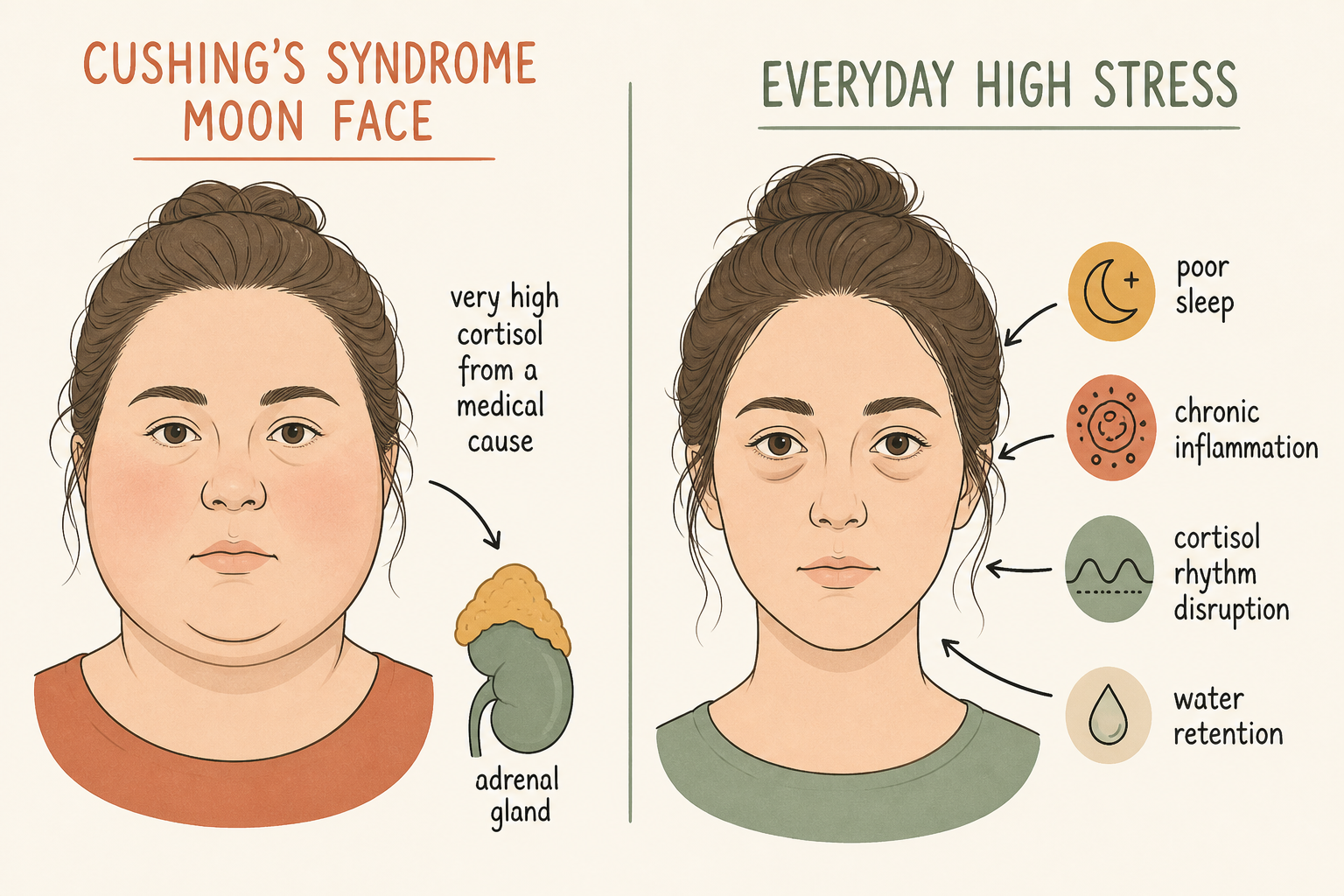
Your face, on a bad week, is not that. If you have moon-face-level swelling, unexplained purple stretch marks, blood pressure of 150/95 at 30, and central weight gain with thinning limbs, please do not troubleshoot with a mocktail. See a doctor. Everyone else is dealing with something different, which we will get to now.
What Everyday Cortisol Dysregulation Actually Looks Like
Cortisol is a normal hormone. Every healthy adult has cortisol, and cortisol is supposed to spike. The cortisol awakening response, a 30 to 50 percent rise in the first 30 to 45 minutes after you wake up, is a healthy signature of a functioning stress axis (Fries, Dettenborn & Kirschbaum, 2009, Int J Psychophysiol, review across 147 studies). What matters is the shape of the day, not one number in isolation.
When people talk about "high cortisol" in the wellness world, what the research actually shows in stressed adults is usually one of the following patterns.
- A flattened diurnal curve. Your morning peak is blunted and your evening value is too high. Adam et al. (2017, Psychoneuroendocrinology, meta-analysis of 80 studies) reported that flatter diurnal cortisol slopes were associated with poorer mental and physical health outcomes across nearly every category studied, with pooled effect sizes in the small-to-moderate range.
- Elevated evening cortisol. Leproult et al. (1997, Sleep, n=11 healthy men) found that six nights of 4-hour sleep restriction raised evening cortisol by roughly 37 to 45 percent compared to a fully rested baseline.
- Chronic low-grade inflammation. Rohleder (2019, Curr Opin Psychol) reviewed how chronic stress attenuates cortisol's usual anti-inflammatory effect via glucocorticoid receptor resistance, allowing pro-inflammatory cytokines like IL-6, TNF-α, and CRP to run high.
- Blood glucose volatility. Under stress, cortisol drives hepatic glucose output. Layered onto high-glycemic meals and skipped protein, this contributes to the mid-morning crash people attribute to pure fatigue.
What that looks like from the inside: poor sleep quality, inability to wind down at night, a mid-afternoon fog, appetite that swings wildly, and a face that looks a little puffier in the morning because you slept badly and your body is holding water and inflammation. Systemic wear. That is closer to the everyday picture than moon face is.
The face question specifically. When you look in the mirror at 11 PM and see puffiness, you are usually looking at overnight fluid shifts, sodium load from the day, poor lymphatic drainage from an all-day desk posture, alcohol from the previous evening, insufficient sleep, and low-grade inflammation. Cortisol is one input in that stack. It is rarely the star.
I want to say what we do not have. There is no well-validated, non-invasive way to measure "your cortisol face" at home. Saliva cortisol tests exist, they can profile your diurnal rhythm reasonably well, and they are still noisy for any one day. Hair cortisol reflects longer windows but has its own methodological issues. Any content telling you a single at-home measurement proves anything about your cortisol is ahead of the data.
The Cortisol Cocktail: What Is Actually In It
Recipes vary, but the standard formula circulating on TikTok is 4 ounces of orange juice, 4 ounces of coconut water, a pinch of sea salt, sometimes a splash of lemon, sometimes cream of tartar, sometimes a scoop of magnesium powder. Sold as an "adrenal drink" or a "cortisol lowering mocktail."
Look at what is really in the glass. Orange juice supplies vitamin C, potassium, natural sugar, and folate. Coconut water adds more potassium and a little sodium. The pinch of salt is sodium. Cream of tartar is potassium. Magnesium powder, when included, adds magnesium.
What you have is a well-balanced electrolyte drink with vitamin C and simple carbohydrates. Nothing wrong with that. If you woke up dehydrated after a poor sleep, that drink probably makes you feel a little better in 30 minutes. Vitamin C is required for adrenal function, and severely deficient adrenal glands cannot make hormones properly (Padayatty et al., 2007, Am J Clin Nutr, showed the adrenal glands secrete vitamin C in response to ACTH stimulation).
Now the parts the videos leave out.
Four ounces of orange juice contains about 12 grams of sugar. On an empty stomach, that is a spike-and-crash setup, especially if you drink it standing at the counter before breakfast. There is no controlled trial showing that this specific combination lowers cortisol over any relevant window. The mechanistic argument, that vitamin C blunts cortisol, comes largely from Brody, Preut, Schommer & Schürmeyer (2002, Psychopharmacology, n=120 adults given 3 g/day of vitamin C or placebo for 14 days before a Trier Social Stress Test), which reported lower systolic blood pressure and cortisol responses in the treatment group. That is a 3-gram daily dose sustained across two weeks, not a 4-ounce glass of orange juice, which contains roughly 60 mg of vitamin C.
The magnesium fraction is more interesting. Boyle, Lawton & Dye (2017, Nutrients) reviewed 18 studies of magnesium supplementation and stress and concluded the evidence supports magnesium for subjective stress in adults with insufficient intake, though the effect sizes are modest and the cortisol data are mixed. A pinch of magnesium powder in a mocktail is not a therapeutic dose. Most trial doses ran 200 to 400 mg per day.
The cortisol cocktail is a hydration story dressed up in endocrinology language. It will not hurt you. It might make you feel calmer. Just do not confuse "I feel a little better after 8 ounces of liquid at 8 AM" with "I have measurably lowered my cortisol." The two are different claims.
What Actually Moves Cortisol, According to the Research
Almost nobody films this next part, because it does not sell. The levers with the most consistent effect on cortisol regulation are old, boring, unmonetizable, and require repetition. They also happen to be the things that make everything else in your body work better.
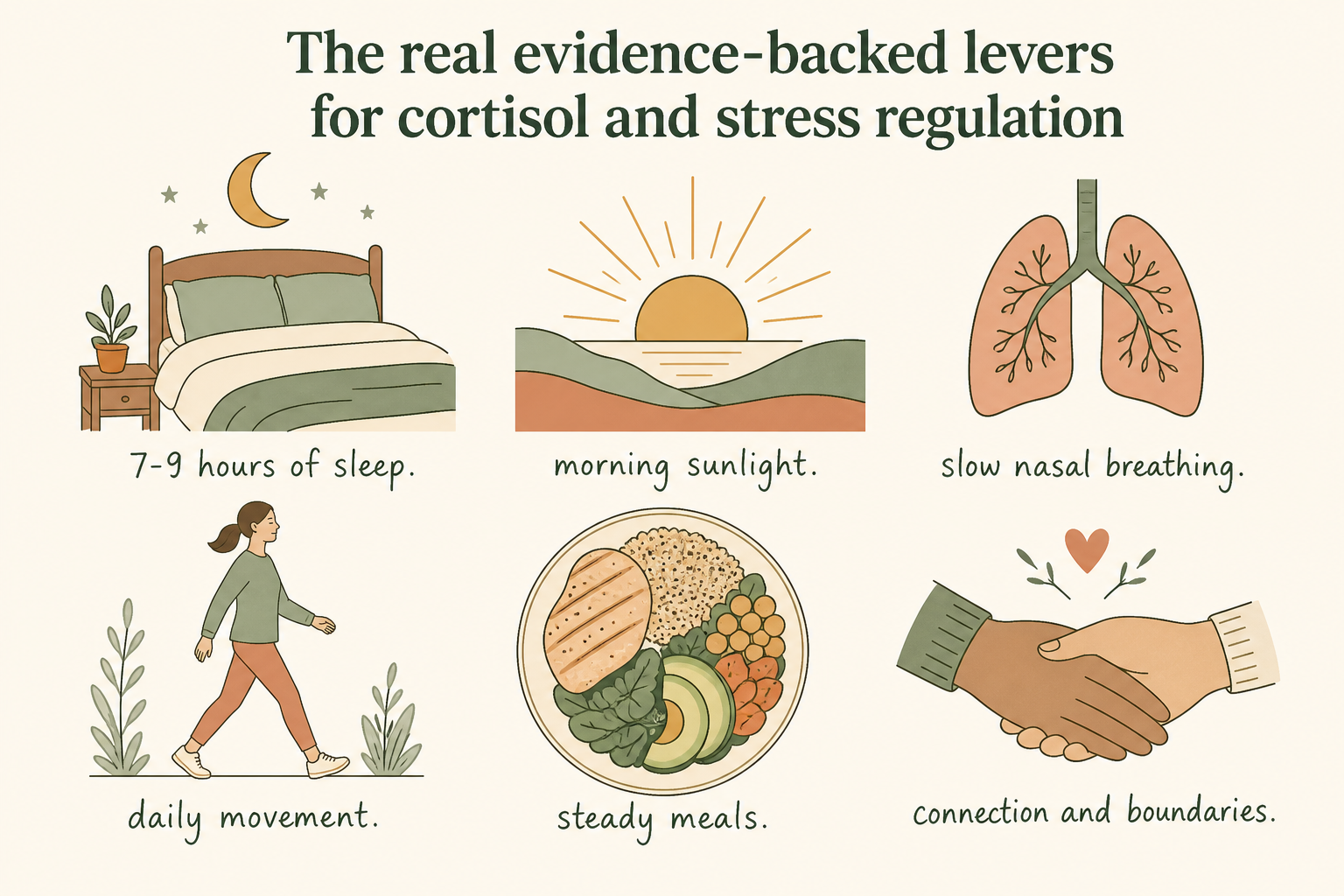
Sleep. The single largest documented lever. Leproult et al. (1997, Sleep) showed the rate of evening cortisol decline is disrupted after six nights of 4-hour sleep restriction, with evening cortisol roughly 37 to 45 percent higher than a fully rested baseline. Van Dongen et al. (2003, Sleep, n=48) demonstrated that six-hour nights across 14 nights produced attention deficits equivalent to being awake for 48 hours straight, while participants underestimated their impairment. You cannot supplement your way through five-hour nights.
Morning outdoor light. Ten to 30 minutes of daylight in the first hour or two after waking supports the cortisol awakening response and stabilizes the diurnal rhythm downstream. Wright et al. (2013, Curr Biol, n=8 adults) showed that a week of camping without electric light shifted circadian rhythms roughly two hours earlier and tightened the coupling between melatonin, cortisol, and clock time. Cheap. Free, actually.
Slow diaphragmatic breathing. Ten minutes of paced breathing at roughly six breaths per minute reduces salivary cortisol and subjective anxiety. Perciavalle et al. (2017, Neurol Sci, n=42 adults) reported that diaphragmatic breathing sessions lowered cortisol by roughly 21 percent versus baseline. Ma et al. (2017, Front Psychol, n=40) showed similar results with an eight-week diaphragmatic breathing program. It works within a session.
Aerobic movement. Klaperski, von Dawans, Heinrichs & Fuchs (2013, Psychoneuroendocrinology, n=96 healthy men randomized to 12 weeks of endurance training versus stretching or a relaxation control) reported that the endurance-training group had significantly reduced cortisol reactivity to the Trier Social Stress Test compared to controls. Walking counts. Not just formal exercise.
Steady meals with protein and fiber. A meal that keeps glucose stable spares your body from the small stress response of a glucose crash. Nothing exotic here. Protein and fiber first, at breakfast, and again at lunch, will do more for your afternoon than any adaptogenic drink.
Social connection. Coan, Schaefer & Davidson (2006, Psychol Sci, n=16 married women) showed that holding a partner's hand during a threat task reduced neural activation in threat-processing regions and blunted the stress response, with the effect scaled to marital quality. Isolation is a stress input the same way a poor sleep is.
None of these have viral aesthetics. All of them have decades of data.
The honest hedge. Every human cortisol study has a small sample and a wide variance. Individual response varies a lot, and cortisol is only one input into how you feel. When I say the research supports something, I mean the direction is consistent across studies, not that any specific person will respond the same way.
Where Curcumin Fits: The Inflammation and Cortisol Crossover
The reason I want to bring turmeric into this article is not because it "lowers cortisol." The direct data for that claim is thin, and I will not pretend otherwise.
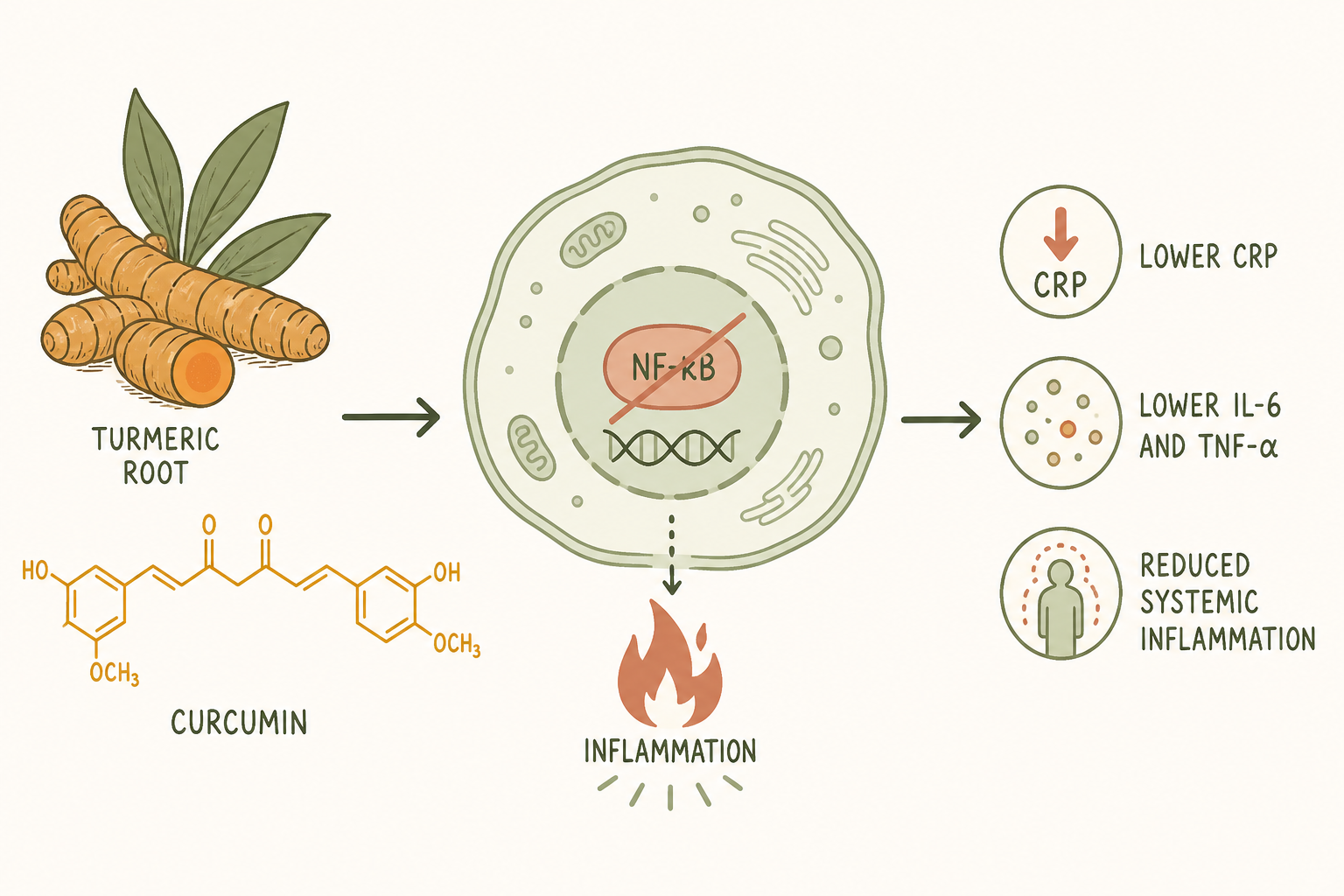
What curcumin has evidence for is the layer underneath. Chronic stress in healthy adults drives low-grade systemic inflammation. Cohen et al. (2012, Proc Natl Acad Sci USA, n=276 healthy adults exposed to a rhinovirus challenge) showed that chronic stress led to glucocorticoid receptor resistance, which allowed inflammatory signaling to run higher, and correlated with worse cold symptoms. Elevated CRP, IL-6, and TNF-α form the biochemical picture of a body that is holding stress in the tissues. Those markers overlap with everything a stressed person is complaining about: fatigue, mental fog, poor sleep, water retention, and, yes, a puffier face in the morning.
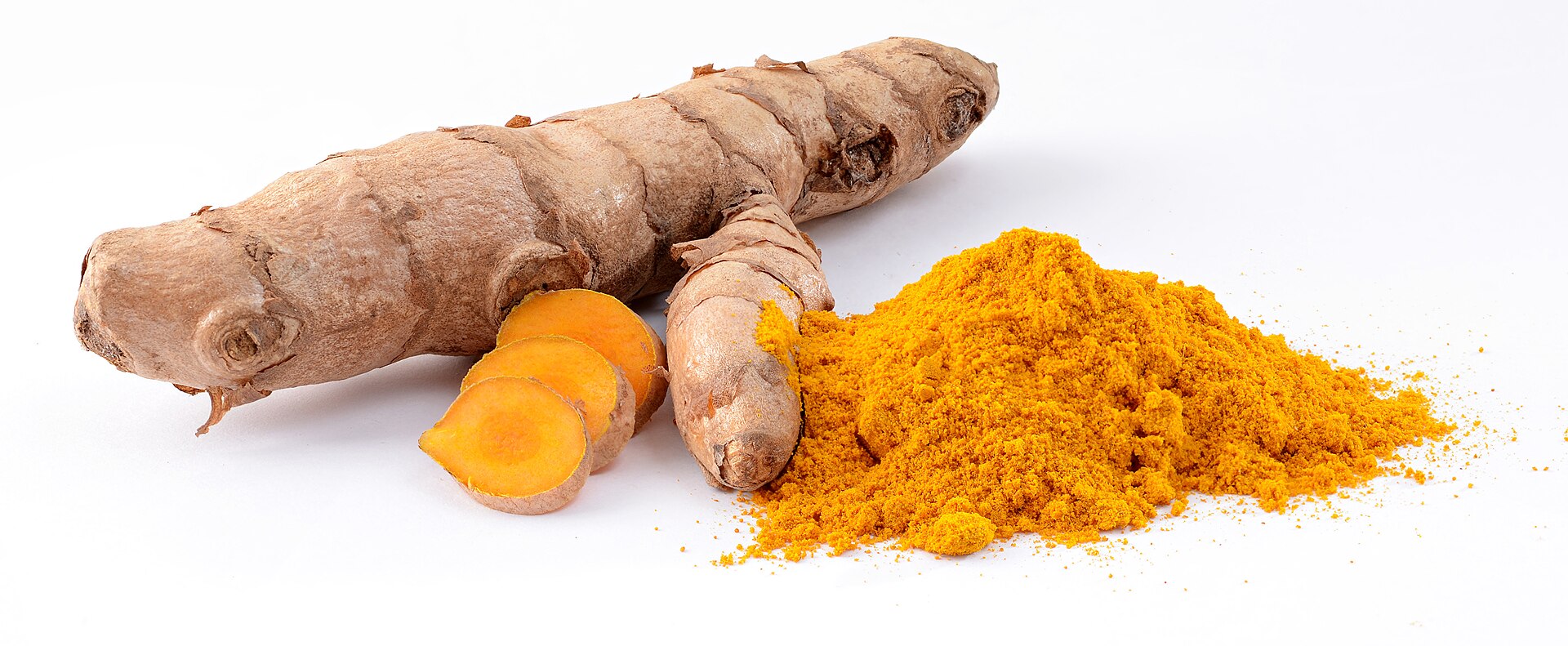
Curcumin, the bioactive polyphenol from Curcuma longa, is one of the more thoroughly studied anti-inflammatory botanicals in the human literature. Two mechanisms carry most of the weight.
First, NF-κB inhibition. NF-κB is a transcription factor that turns on a broad set of inflammatory genes. Curcumin down-regulates NF-κB signaling in cell and animal models (Aggarwal, Kumar & Bharti, 2003, Anticancer Res, review of curcuminoid signaling; Jurenka, 2009, Altern Med Rev, review of anti-inflammatory mechanisms).
Second, and this is what matters clinically, curcumin has meta-analytic evidence for lowering circulating inflammatory markers. Panahi et al. (2016, Phytother Res) pooled six randomized controlled trials of curcumin in metabolic syndrome, and reported significant reductions in TNF-α, IL-6, and CRP versus placebo. Sahebkar et al. (2015, Nutrients, meta-analysis of eight RCTs, n=488 adults) reported a standardized mean difference in circulating IL-6 of −0.60 in the curcumin arms.
Now the mood and stress-adjacent trials, which are directly relevant to the reader who searched "cortisol face" because they are stressed.
Esmaily et al. (2015, Chin J Integr Med, n=30 obese adults randomized to 500 mg curcuminoid plus 5 mg piperine daily or placebo for eight weeks) reported significant reductions in Hamilton Anxiety Rating Scale scores in the curcumin arm.
Yu et al. (2015, J Clin Psychopharmacol, n=108 adults with major depressive disorder given 500 mg curcumin twice daily as an adjunct to standard therapy for six weeks) reported greater improvement on the Montgomery-Åsberg Depression Rating Scale versus placebo, with the largest effect in the atypical-depression subgroup.
Ng et al. (2020, J Am Med Dir Assoc, meta-analysis of nine RCTs of curcumin for depressive symptoms, n=531) reported an overall standardized mean difference of −0.75 favoring curcumin. Small GW et al. (2018, Am J Geriatr Psychiatry, n=40 non-demented older adults given 90 mg Theracurmin twice daily for 18 months) reported improvements in verbal memory and attention alongside a mood improvement.
That is a short list from a much larger literature. The pattern across the trials is subtle rather than dramatic. Not stimulant-like. Curcumin, at anti-inflammatory doses, tends to bring inflammatory biomarkers down and modestly improve stress-adjacent symptoms in adults with elevated baseline inflammation.
One important footnote about absorption. Curcumin is famously badly absorbed on its own. Shoba et al. (1998, Planta Med, n=10 healthy adults given 2 g of curcumin with or without 20 mg of piperine) reported roughly a 2,000 percent increase in curcumin bioavailability in the piperine arm. Most modern research formulations either combine curcumin with piperine (black pepper extract) or use one of several patented absorption-enhancement technologies. A plain unformulated curcumin capsule at 500 mg without any absorption enhancement is not delivering the same dose to your bloodstream as a formulated one.
A refusal to overclaim. Curcumin is not "cortisol medicine." There is no large randomized trial showing that daily curcumin lowers daily cortisol in stressed but otherwise healthy adults. The evidence I trust for stressed-body symptoms is the inflammation-lowering data plus the mood and anxiety trials at anti-inflammatory doses. That is a modest, honest mechanism story, not a magic-bullet claim.
Where M Nutrition Turmeric Curcumin Fits, and Where It Does Not
If you have read this far, you already know the shape of the argument. The cortisol cocktail is a hydration drink dressed up as endocrine medicine. What actually moves cortisol is sleep, morning light, breath, movement, steady meals, and connection. What worsens the stressed-body picture, the fatigue, the fog, the puffiness, the poor recovery, is often chronic low-grade inflammation sitting on top of a dysregulated cortisol rhythm.
Our Turmeric Curcumin is designed to sit inside that picture. Each capsule pairs a high-potency curcumin extract with black pepper extract (piperine) at a ratio informed by the Shoba 1998 bioavailability work. That combination targets the anti-inflammatory pathway described earlier: NF-κB down-regulation and downstream reductions in inflammatory markers like CRP and IL-6 (Panahi 2016; Sahebkar 2015), with related evidence for anxiety and mood in adults under stress (Esmaily 2015; Yu 2015; Ng 2020).
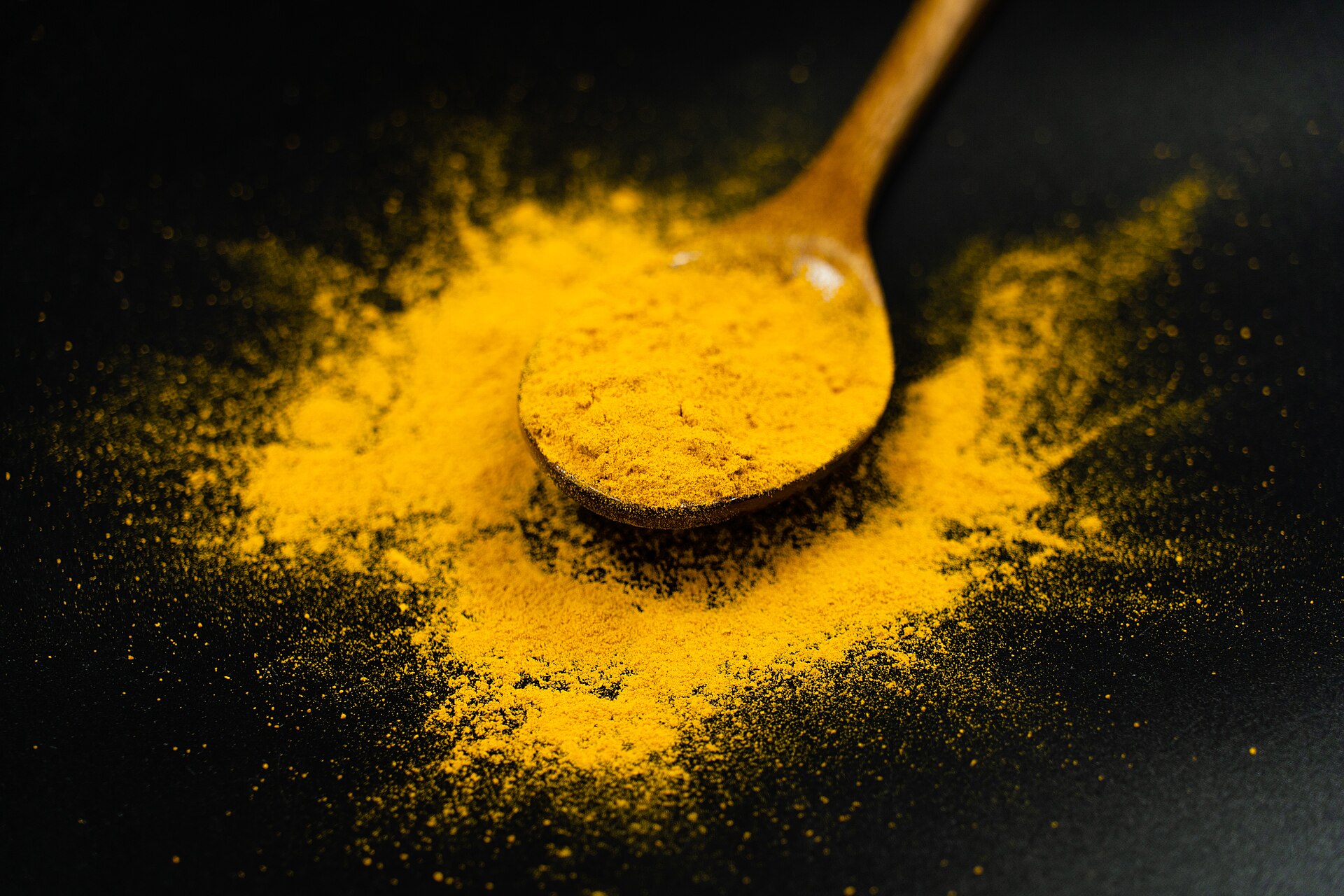
What that means in a daily routine. A curcumin capsule will not replace your sleep, silence your inbox, or lower cortisol on demand. It is a slow-build, inflammation-facing tool. Weeks, not hours. Taken daily for 8 to 12 weeks, at anti-inflammatory doses, alongside the boring fundamentals, it is one credible piece of a routine that also includes seven to nine hours of sleep, morning outdoor light, steady meals, and movement.
Some cautions worth naming clearly.
- Pregnant, nursing, or trying to conceive: talk to your clinician before starting curcumin.
- On anticoagulants or antiplatelet medications: curcumin can potentiate bleeding risk. Review with your prescriber.
- Gallbladder disease or gallstones: curcumin can stimulate bile flow and may not be appropriate.
- Chemotherapy, immunosuppressants, or chronic medications metabolized by cytochrome P450 pathways: curcumin (and piperine) can affect drug levels. Review with your oncologist or pharmacist.
If your "cortisol face" symptoms are severe, sudden, or paired with unexplained central weight gain, purple stretch marks, easy bruising, hypertension at a young age, or menstrual changes, please see a physician for a real endocrine workup. That is a clinician conversation, not a supplement one.
Shop Turmeric Curcumin on Amazon
The Takeaway
"Cortisol face" as it appears on TikTok is a real symptom picture wearing a wrong name. The mocktail is a decent electrolyte drink, not an endocrine intervention. What matters, if you actually want your body to feel less stressed and your face to look less swollen at 11 PM, is a stack of unmonetizable habits that go back decades in the sleep, exercise, and behavioral endocrinology literature.
Curcumin has an honest role in that stack, though not as a cortisol-lowering herb. As an anti-inflammatory botanical with meta-analytic evidence for reducing CRP and IL-6, small-trial evidence for improved anxiety and depressive symptoms at anti-inflammatory doses, and enough safety data to be reasonable for most healthy adults across a 2-to-3-month window. That is a modest, defensible claim. More than most trending wellness ingredients can honestly say.
Close a few tabs. Get outside in the morning. Eat protein at breakfast. Aim for seven hours. If a well-formulated curcumin fits your routine, take it consistently for three months and see how you feel. Skip the marketing that promises what supplements were never built to deliver.